Home › Guides › Do I need to seal my patio, and does it stop algae?
Do I need to seal my patio, and does it stop algae?
Short answer: Sealing can reduce staining and make some paving easier to clean, but it does not stop algae and moss where damp and shade remain, and some paving manufacturers do not recommend sealing externally. Check the advice for your paving first, because a sealer can change the colour and grip and usually cannot be removed.
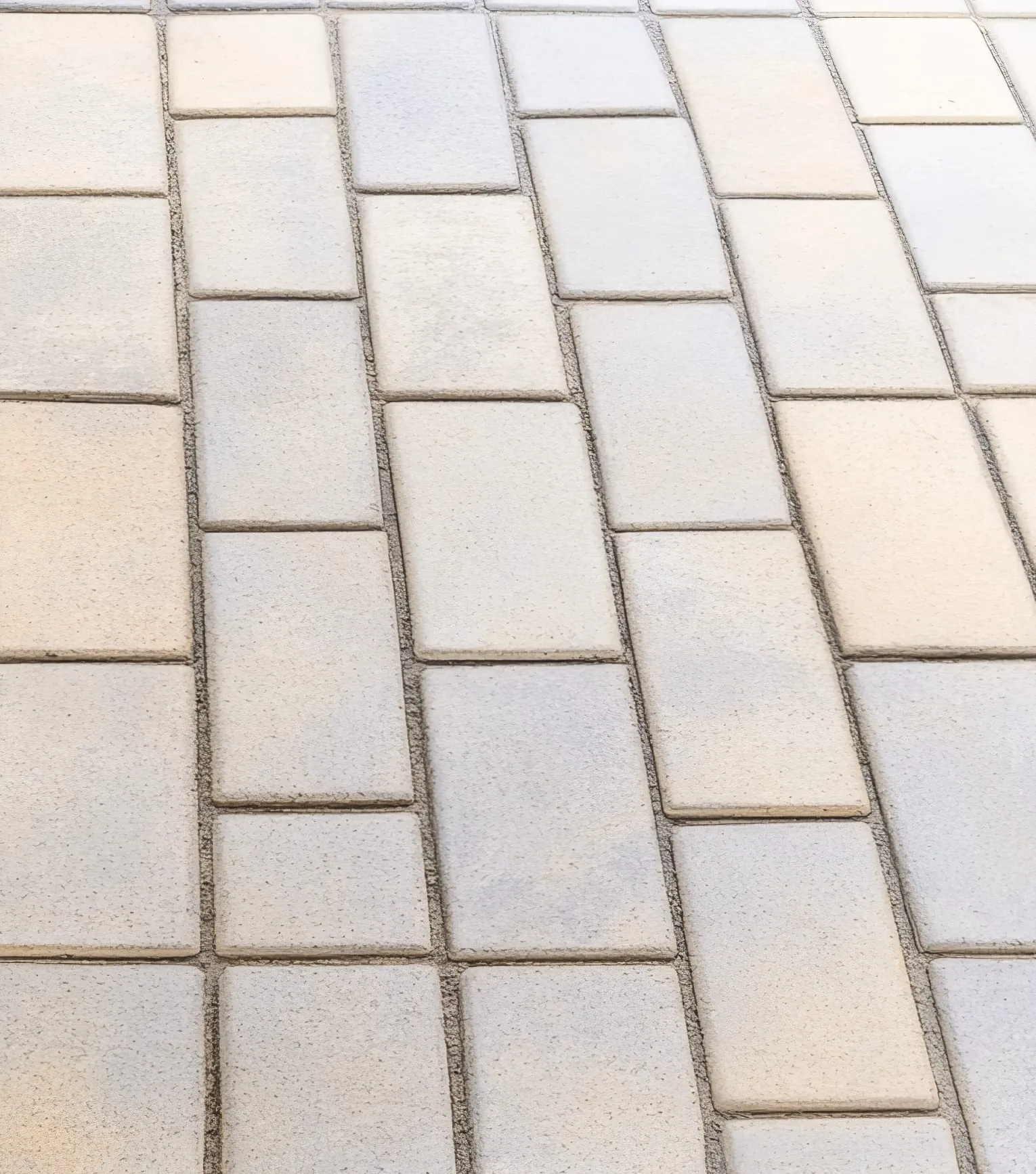
How to decide whether to seal your patio
- Check your paving manufacturer's advice. Some manufacturers do not stipulate or recommend sealing externally. Others say a sealer can help protect against staining. Follow the advice for your paving.
- Consider the type of paving. Porcelain has very low water absorption and may not need sealing. New concrete paving should be left for several months before sealing, so check the guidance for yours.
- Be clear about what you want. Sealing can help with staining from food, drinks and leaves. It does not reliably stop algae or moss, which depend on damp and shade.
- Test a hidden area. A sealer can darken the stone, change slip resistance and cannot normally be removed, so test first.
- Clean and dry the patio fully. Seal only clean, dry stone with sound joints. Follow the product's data sheet for drying and application times.
- Plan to reapply. Sealers wear and need reapplying over time.
Does sealing stop algae and moss?
Not reliably. The Royal Horticultural Society notes that growth returns while damp and shade persist, and conservation guidance warns that water-repellent coatings can even encourage biological growth in some situations. Sealing mostly helps with staining.
Why advice conflicts
Manufacturers and retailers do not all agree. One major paving manufacturer's technical guides do not recommend sealing externally, while its consumer pages recommend a sealer for block paving. That is why it is worth checking the guidance for the exact product you have.
Frequently asked questions
Is sealing a patio worth it?
It can help with staining and make cleaning easier, but it will not stop growth in a damp, shaded spot, and it needs reapplying. Check your manufacturer's advice first.
How long after cleaning can I seal a patio?
Only once the patio is completely dry. Times vary by product and weather, so follow the sealer's data sheet.
Can I remove a patio sealer?
Not normally, which is why testing a small hidden area first matters.
Do you seal patios?
Our patio work covers steam cleaning, rejuvenation and preservation, and re-grouting. Ask when you request a quote if you want advice on sealing.
Sources and further reading
- Marshalls: Cleaning & Maintenance Guidelines for garden paving and driveways
- Marshalls: Patio & Driveway Aftercare Guide (2022)
- Bradstone: how to clean your patio
- US National Park Service, Preservation Brief 1: Assessing cleaning and water-repellent treatments for historic masonry
Related guides
- Should I clean, repoint or seal my patio first?
- How do I clean my patio?
- Why does moss keep growing back on my patio?
General guidance only. Always test on a hidden area first and follow product instructions. Last updated 25 November 2026.
Request a quote
Tell us about the patio, wall, drive or floor and we will arrange a meeting. Or call 07907 716 893.